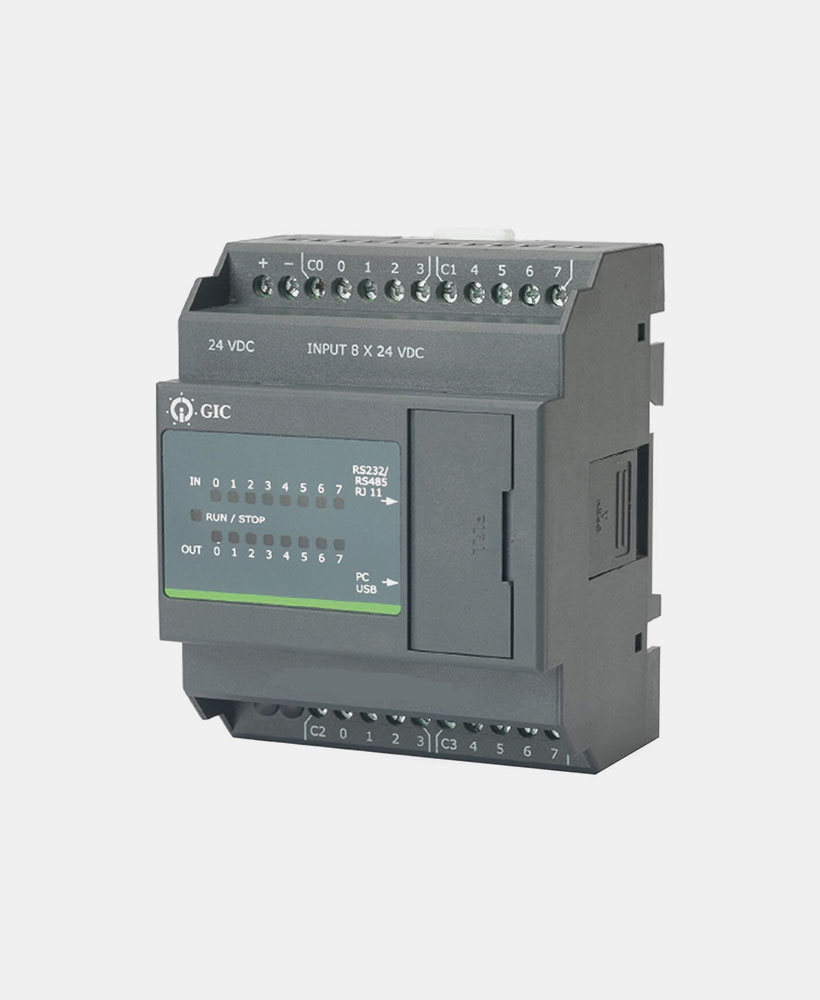




Control Panel Design: Safety, Efficiency & Compliance
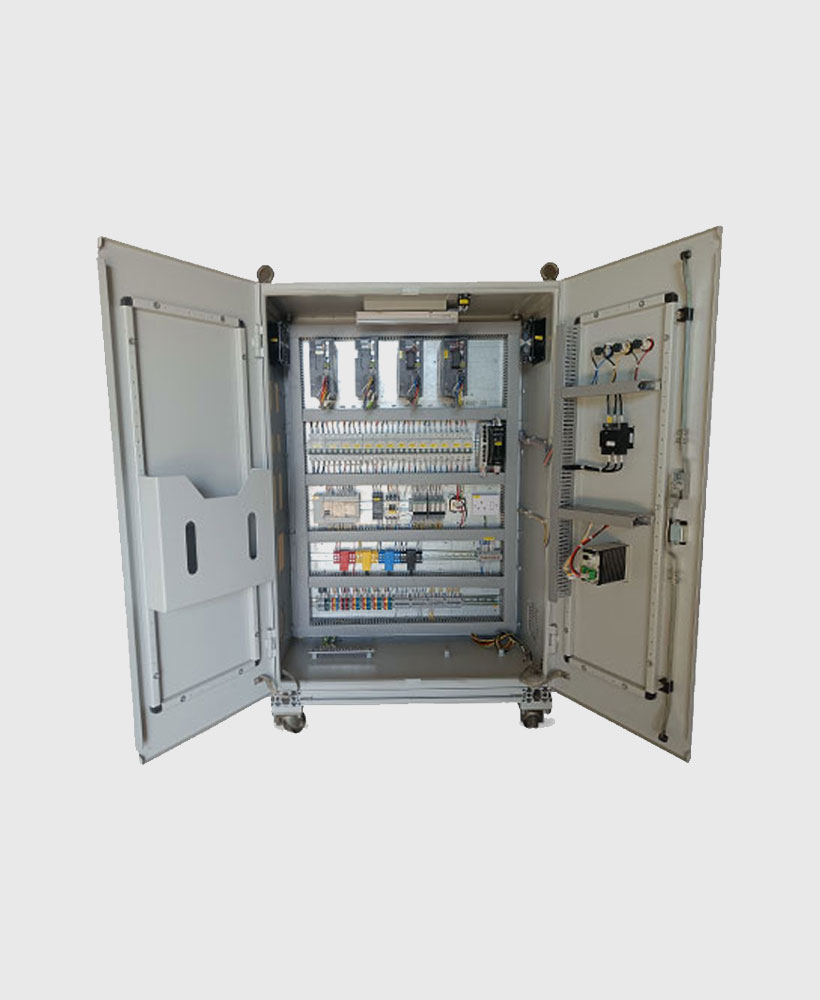 Industrial Automation
Industrial automation relies on well-designed electrical control panels to ensure smooth, safe, and efficient operation of machinery and processes. A control panel serves as the central hub for managing electrical power, monitoring equipment, and controlling automated systems such as PLCs, Variable Frequency Drives (VFDs), HMIs, relays, and motor starters. Whether used in manufacturing plants, water treatment facilities, food processing units, or power generation systems, the quality of a control panel directly impacts system performance, operational safety, and long-term reliability.
As industries embrace Industry 4.0 and smart manufacturing, control panel design has become more advanced, incorporating intelligent monitoring, remote diagnostics, and energy-efficient components. However, designing a control panel is not just about arranging electrical components inside an enclosure-it requires careful consideration of safety standards, efficient layout planning, thermal management, and regulatory compliance.
At Nile Automation & Control System, we specialize in designing and manufacturing high-quality industrial control panels that meet modern automation requirements while ensuring maximum safety, efficiency, and compliance with industry standards.
In this blog, we explore the key factors that every engineer, plant manager, and business owner should consider when designing an industrial control panel.
What is an Industrial Control Panel?
An industrial control panel is an enclosure that houses electrical and automation components used to control and monitor industrial machinery and processes. It distributes electrical power, protects sensitive equipment, and enables operators to manage automated systems efficiently.
A typical control panel includes:
- PLC (Programmable Logic Controller)
- Variable Frequency Drives (VFDs)
- Motor Starters
- Circuit Breakers
- Contactors
- Relays
- Power Supplies
- Terminal Blocks
- Human Machine Interface (HMI)
- Switches and Push Buttons
- Protection Devices
These components work together to ensure reliable machine operation and process control.
Why is Proper Control Panel Design Important?
As professionally designed panel improves operational efficiency while protecting both equipment and personnel.
- Equipment failures
- Electrical hazards
- Excessive downtime
- High maintenance costs
- Energy losses
- Difficulty in troubleshooting
- Non-compliance with safety regulations
Key Factors in Control Panel Design
1. Safety First
Safety should always be the highest priority during control panel design. These measures help prevent electrical accidents and equipment damage. Important safety considerations include:
- Proper earthing and grounding
- Overcurrent protection
- Short-circuit protection
- Emergency stop circuits
- Arc flash risk reduction
- Lockout/Tagout (LOTO) provisions
- Fire-resistant enclosure materials
- Safe wire routing
2. Compliance with Industry Standards
Industrial control panels should comply with applicable national and international standards to ensure safe and reliable operation. Common standards include:
- IEC 61439 (Low-Voltage Switchgear and Controlgear Assemblies)
- IEC 60204-1 (Safety of Machinery – Electrical Equipment)
- IS Standards (Indian Standards)
- CE Marking (where applicable)
- UL 508A (for North American markets)
3. Proper Component Selection
Choosing high-quality components is essential for long-term performance. Components should be selected based on:
- Load capacity
- Voltage rating
- Current rating
- Environmental conditions
- Duty cycle
- Expansion requirements
- Reliability
- Manufacturer support
Using certified components minimizes failures and maintenance.
4. Efficient Panel Layout
A well-organized layout improves accessibility and simplifies maintenance.
Best practices include:
- Separate power and control wiring
- Arrange components logically
- Provide adequate spacing
- Allow future expansion
- Label all components clearly
- Minimize cable crossing
5. Thermal Management
Electrical components generate heat during operation. Without proper cooling, excessive temperatures may cause:
- Component failure
- Reduced lifespan
- Unexpected shutdowns
- Performance degradation
Thermal management methods include:
- Ventilation fans
- Cooling filters
- Air conditioners
- Heat exchangers
- Proper ventilation spacing
6. Cable Management
Organized wiring significantly improves safety and maintenance efficiency. Good cable management involves:
- Cable ducts
- Wire numbering
- Ferrules
- Color coding
- Cable ties
- Proper bend radius
7. Protection Against Environmental Conditions
Industrial environments often expose panels to:
- Dust
- Moisture
- Chemicals
- Oil
- High temperatures
- Vibration
8. Power Distribution Design
An efficient power distribution system ensures stable operation. Design considerations include:
- Load balancing
- Circuit isolation
- Proper breaker sizing
- Busbar design
- Voltage drop calculations
- Backup power requirements
9. Ease of Maintenance
Control panels should be designed for quick inspection and servicing. Maintenance-friendly features include:
- Clear labeling
- Accessible components
- Modular construction
- Spare terminal blocks
- Hinged mounting plates
- Service documentation
Importance of PLC and VFD Integration
Modern industrial control panels often integrate PLCs and VFDs for intelligent automation.
Benefits include:
- Automated machine control
- Energy-efficient motor operation
- Real-time monitoring
- Improved production quality
- Remote diagnostics
- Flexible process control
HMI Integration for Better Control
Human Machine Interfaces (HMIs) enable operators to:
- Monitor equipment status
- View alarms
- Change operating parameters
- Access production data
- Troubleshoot faults
Industrial Applications of Control Panels
Control panels are used in a wide range of industries, including:
- Manufacturing Plants
- Machine automation
- Assembly lines
- Robotics
- Water & Wastewater Treatment
- Pump control
- Filtration systems
- Chemical dosing
- Food & Beverage
- Packaging
- Mixing
- Filling
- Conveying
- Pharmaceutical Industry
- Batch processing
- Cleanroom automation
- Process monitoring
- Chemical Plants
- Reactor control
- Temperature regulation
- Pump automation
- Oil & Gas
- Process control
- Compressor systems
- Pipeline automation
- Textile Industry
- Weaving machines
- Dyeing systems
- Finishing equipment
- HVAC Systems
- Chillers
- Cooling towers
- Air handling units
- Ventilation systems
Benefits of a Well-Designed Control Panel
A professionally designed control panel offers several advantages:
- Improved operational safety
- Increased energy efficiency
- Reduced equipment downtime
- Longer equipment life
- Enhanced system reliability
- Future-ready automation
Common Mistakes to Avoid in Control Panel Design
Avoiding these common errors can improve performance and safety:
- Overcrowded component placement
- Poor ventilation
- Undersized wiring
- Inadequate circuit protection
- Improper grounding
- Lack of documentation
- Incorrect cable routing
Why Choose Nile Automation & Control Systems?
At Nile Automation & Control Systems, we provide customized control panel solutions designed to meet the specific needs of various industries. Our experienced engineers focus on delivering panels that combine safety, efficiency, and compliance with industry standards.
Our expertise includes:
- PLC Control Panels
- MCC Panels
- PCC Panels
- VFD Panels
- AMF Panels
- Automation Control Panels
- SCADA Integration
- Electrical Design & Engineering
- Panel Installation & Commissioning
Well-designed industrial control panel is the backbone of any automated system, ensuring safe operation, efficient energy use, and reliable process control. From selecting quality components and managing heat to complying with safety standards and planning for future expansion, every aspect of panel design plays a critical role in overall system performance.
By partnering with an experienced automation company like Nile Automation & Control Systems, industries can implement customized control panel solutions that improve productivity, reduce operational risks, and support sustainable business growth. Investing in a professionally designed control panel today ensures a safer, more efficient, and future-ready industrial operation. Contact us!