



What is a VFD? Working, Benefits, and Industrial Applications
 Industrial Automation
In today's competitive industrial environment, businesses are constantly looking for ways to reduce energy consumption, improve machine performance, and extend equipment life. One technology that has revolutionized motor control across industries is the Variable Frequency Drive (VFD). Whether it's a manufacturing plant, water treatment facility, HVAC system, or packaging line, VFDs play a crucial role in optimizing motor-driven processes.
As a leading provider of industrial automation solutions, Nile Automation & Control System offers advanced VFD integration, PLC programming, SCADA systems, industrial control panels, and automation services that help industries achieve higher productivity with lower operational costs.
What is a VFD?
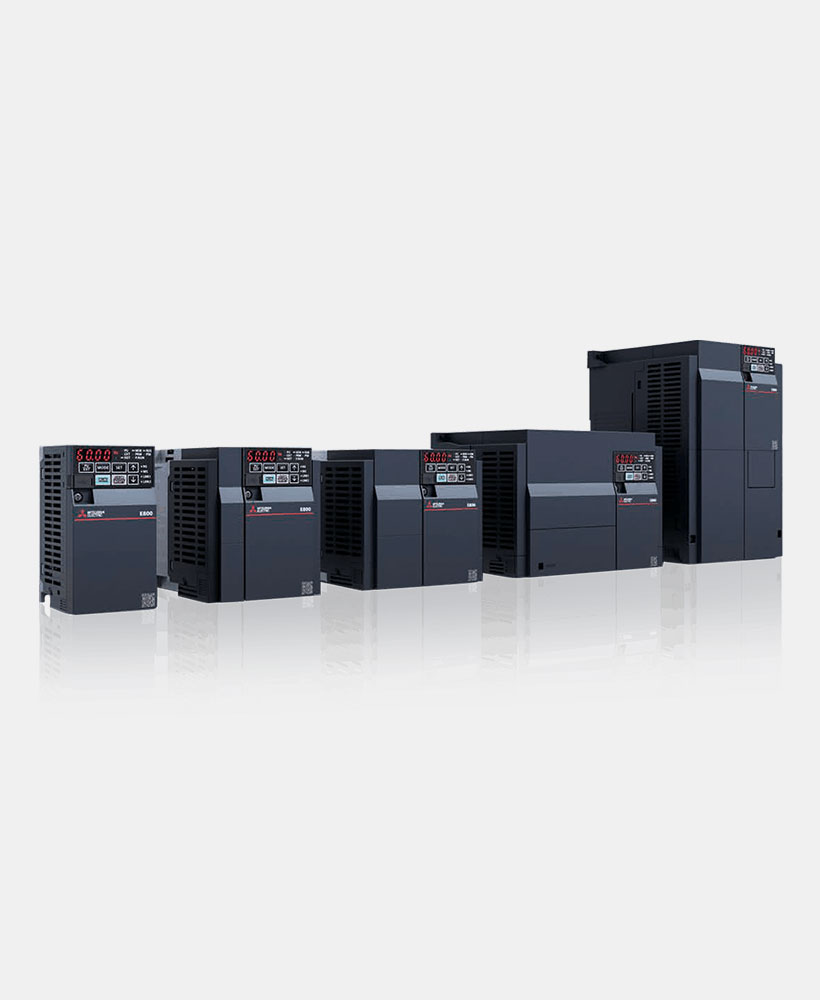
Variable Frequency Drive (VFD), also known as an AC Drive, Variable Speed Drive (VSD), or Inverter Drive, is an electronic device used to control the speed, torque, and direction of an AC motor by varying the frequency and voltage supplied to the motor. Instead of operating at a constant speed, a VFD allows the motor to run only as fast as required by the application, resulting in improved efficiency and significant energy savings.
Why are VFDs Important in Industrial Automation?
Traditionally, AC motors operated at fixed speeds regardless of the process demand. This often resulted in:
- Excessive energy consumption
- Higher wear and tear
- Increased maintenance costs
- Poor process control
A VFD solves these challenges by providing precise speed control, allowing motors to operate according to actual production requirements rather than full capacity.
How Does a VFD Work?
A Variable Frequency Drive operates through three major stages.
1. AC to DC Conversion (Rectifier)
The incoming AC power supply is converted into DC power using a rectifier.
Purpose:
- Converts alternating current into direct current
- Creates the base power required for speed control
2. DC Bus (Filtering Stage)
The DC voltage passes through capacitors and filters.
This stage:
- Stores electrical energy
- Smooths voltage fluctuations
- Improves output stability
- Reduces electrical noise
3. DC to Variable AC Conversion (Inverter)
The inverter converts the filtered DC back into AC power while adjusting:
- Frequency
- Voltage
Since the speed of an AC motor is directly related to the supply frequency, changing the frequency changes the motor speed precisely. Modern VFDs perform this using high-speed switching devices and pulse-width modulation (PWM).
Simple Working Example
Imagine a water pump designed to run at 1500 RPM.
Without a VFD:
- The motor always runs at full speed.
- Water flow is controlled by partially closing valves.
- Extra energy is wasted.
With a VFD:
- The motor speed is reduced whenever lower flow is required.
- Water flow automatically matches demand.
- Power consumption decreases significantly.
This principle applies to fans, conveyors, compressors, and many other industrial systems.
Major Components of a VFD
A standard Variable Frequency Drive consists of:
- Rectifier
- DC Bus
- Inverter
- Microprocessor Controller
- Cooling System
- Input & Output Filters
- Human Machine Interface (HMI)
Together, these components ensure efficient motor operation and reliable control.
Key Benefits of Using a VFD
1. Significant Energy Savings
VFDs reduce unnecessary power consumption by operating motors only at the required speed.
Industries using pumps and fans often experience noticeable reductions in electricity usage because power demand falls rapidly as motor speed decreases.
2. Soft Motor Starting
Instead of sudden full-speed starting, VFDs gradually accelerate the motor.
Benefits include:
- Lower inrush current
- Reduced mechanical stress
- Increased motor life
- Improved system reliability
3. Better Process Control
VFDs allow precise adjustment of:
- Motor speed
- Torque
- Flow
- Pressure
- Temperature
4. Reduced Maintenance Costs
Because motors start and stop smoothly:
- Bearings last longer
- Gearboxes experience less stress
- Belts wear more slowly
- Maintenance frequency decreases
5. Longer Equipment Life
Controlled acceleration and deceleration reduce mechanical shocks, extending the service life of motors and connected machinery.
6. Improved Safety
Many modern VFDs include built-in safety and protection features, including:
- Overcurrent protection
- Overvoltage protection
- Undervoltage protection
- Motor overload protection
- Short circuit protection
- Thermal protection
7. Lower Operating Costs
Reduced energy bills and maintenance expenses result in faster return on investment (ROI), making VFDs a cost-effective solution for industrial automation.
Industrial Applications of VFD
Variable Frequency Drives are used across almost every manufacturing and process industry.
- Pumps
Applications include:
- Water treatment plants
- Booster pumps
- Irrigation systems
- Chemical transfer pumps
Benefits:
- Flow control
- Pressure regulation
- Reduced water hammer
- Energy savings
- Fans and Blowers
Used in:
- HVAC systems
- Cooling towers
- Dust collection systems
- Industrial ventilation
Benefits:
- Airflow control
- Lower energy consumption
- Reduced noise
- Conveyor Systems
Common in:
- Packaging
- Food processing
- Automobile manufacturing
- Warehousing
Benefits:
- Adjustable belt speed
- Smooth starting
- Better production synchronization
- Compressors
Industrial compressors benefit from:
- Reduced power usage
- Stable pressure
- Lower maintenance
- Machine Tools
VFDs are widely used in:
- CNC Machines
- Milling Machines
- Lathes
- Grinding Machines
Benefits include:
- Accurate spindle speed
- Better machining quality
- Improved productivity
- Cranes and Hoists
Applications include:
- EOT Cranes
- Gantry Cranes
- Material Handling Systems
Benefits:
- Smooth lifting
- Controlled acceleration
- Reduced mechanical shock
- HVAC Systems
Used for controlling:
- Chillers
- Cooling towers
- Air Handling Units (AHUs)
- Exhaust fans
Benefits:
- Better temperature control
- Lower electricity consumption
- Improved comfort
- Food & Beverage Industry
This help maintain consistent production speeds while improving efficiency. VFDs are commonly used in:
- Mixers
- Conveyors
- Filling machines
- Packaging systems
Industries That Use VFDs
Variable Frequency Drives are extensively used in:
- Manufacturing Plants
- Pharmaceutical Industries
- Textile Industries
- Cement Plants
- Steel Industries
- Chemical Plants
- Oil & Gas
- Water Treatment Plants
- Food Processing
- Automotive Manufacturing
- Paper Mills
- Mining Operations
VFD vs Traditional Motor Starter
| Feature | Traditional Starter | Variable Frequency Drive |
|---|---|---|
| Motor Speed | Fixed | Variable |
| Energy Efficiency | Low | High |
| Starting Current | High | Low |
| Process Control | Limited | Excellent |
| Motor Protection | Basic | Advanced |
| Equipment Life | Moderate | Longer |
| Maintenance | Higher | Lower |
Why Choose Nile Automation & Control Systems for VFD Solutions?
Nile Automation & Control Systems specializes in delivering reliable industrial automation solutions tailored to modern manufacturing requirements.
Our expertise includes:
- VFD Installation & Commissioning
- PLC Programming
- SCADA Development
- Industrial Automation Solutions
- Electrical Control Panels
- Motion Control Systems
- Industrial Instrumentation
- Process Automation
- Preventive Maintenance & Support
Best Practices for Using VFDs
To achieve maximum performance:
- Select the correct VFD based on motor rating.
- Ensure proper ventilation around the drive.
- Use suitable motor cables and grounding.
- Regularly inspect filters and cooling fans.
- Configure acceleration and deceleration times appropriately.
- Schedule periodic preventive maintenance.
Variable Frequency Drives have become an essential part of modern industrial automation by offering precise motor control, improved energy efficiency, and enhanced equipment reliability. From pumps and fans to conveyors and CNC machines, VFDs help industries reduce operating costs while improving process performance and extending machine life.
Whether you're upgrading an existing facility or implementing a new automation system, investing in the right VFD solution can significantly enhance productivity and long-term operational efficiency. With the expertise of Nile Automation & Control Systems, businesses can implement reliable, customized VFD solutions that support smarter, safer, and more energy-efficient industrial operations. Contact us!